

DIAGNOSTIC SERVICES
CLINICAL PATHOLOGY
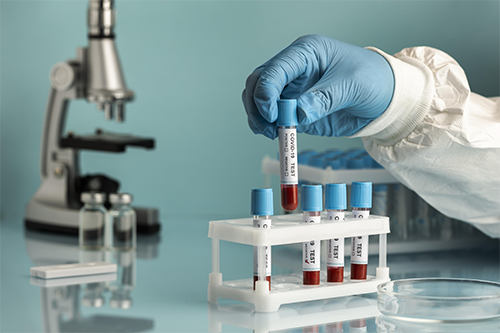
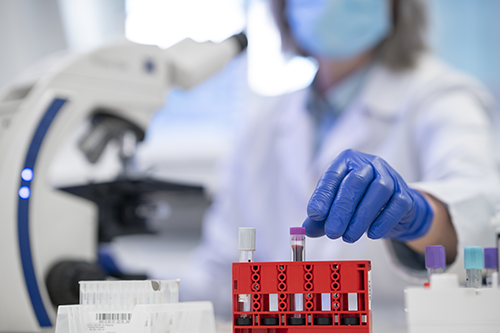
Clinical Pathology is a medical specialty that involves the diagnosis of disease based on the laboratory analysis of bodily fluids such as blood, urine, and tissue homogenates. It encompasses various disciplines including hematology, microbiology, immunology, and clinical chemistry. This field helps in monitoring disease progression and treatment response. Clinical pathologists play a vital role in hospital laboratories, ensuring accurate test results.
CLINICAL MICROBIOLOGY
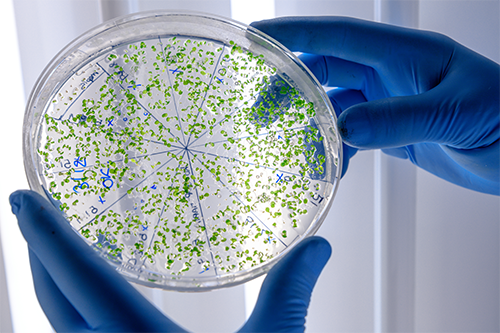
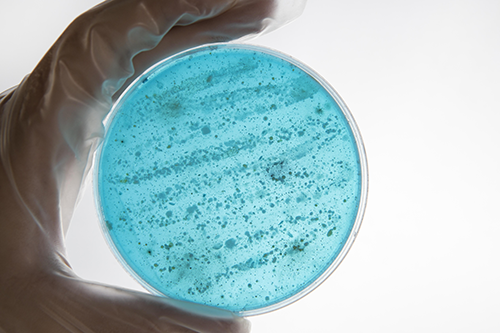
Clinical Microbiology focuses on the detection, identification, and characterization of microorganisms that cause infectious diseases. It includes the study of bacteria, viruses, fungi, and parasites. The lab tests guide physicians in choosing appropriate antimicrobial therapies. Clinical microbiologists help prevent the spread of infection through surveillance and resistance monitoring.

CLINICAL CHEMISTRY
Clinical Chemistry deals with the analysis of bodily fluids for diagnostic and therapeutic purposes. It measures substances like glucose, electrolytes, enzymes, and hormones. These tests are vital in assessing organ function, detecting metabolic disorders, and monitoring treatment. Automated analyzers are commonly used in clinical chemistry labs.
SEROLOGY
Serology involves the detection of antibodies or antigens in blood serum to diagnose infections and immune responses. It is commonly used for testing diseases like HIV, hepatitis, and dengue. Serologic tests are important for blood transfusion compatibility and autoimmune disease screening. The presence or absence of specific antibodies indicates exposure or immunity.
IMMUNOLOGY
Immunology is the study of the immune system and its response to foreign substances. It includes the investigation of immune disorders, autoimmune diseases, allergies, and vaccines. Immunological tests help diagnose immunodeficiencies and monitor immune responses. This field bridges basic science and clinical medicine.
IMMUNO HISTO CHEMISTRY
Immuno Histo Chemistry is a technique that uses antibodies to detect specific antigens in tissue sections. It is commonly used in pathology labs to classify tumors and identify infectious agents. IHC helps determine the origin of cancers and guide treatment options. It provides both diagnostic and prognostic information.
MOLECULAR DIAGNOSTICS
Molecular Diagnostics uses techniques to analyze biological markers in the genome and proteome. It detects specific DNA or RNA sequences to diagnose disease, predict risk, and guide targeted therapies. PCR, gene sequencing, and microarrays are common tools used. It is widely applied in infectious diseases, cancer, and genetic disorders.
GENETICS
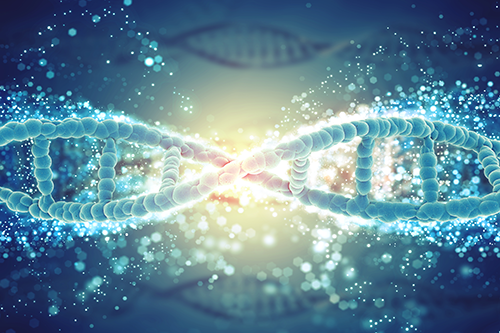
Genetics is the scientific study of genes, heredity, and variations in living organisms. It explores how traits and conditions are passed from one generation to the next. Genetic testing helps identify inherited disorders, predict disease risk, and guide personalized medicine. This field has applications in oncology, reproductive health, and rare disease management.
CYTOGENETICS
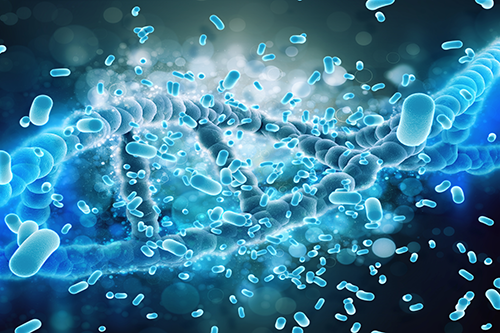
Cytogenetics is the branch of genetics that studies the structure and function of chromosomes. It involves analyzing chromosomal abnormalities using techniques like karyotyping and FISH (Fluorescence In Situ Hybridization). This field is essential in diagnosing genetic disorders, cancers, and congenital anomalies. Cytogenetic analysis supports prenatal screening and oncology diagnostics.
HEMATOLOGY
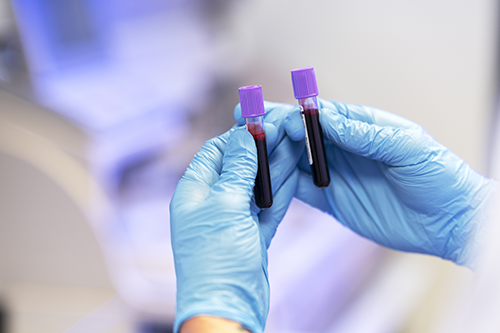
Hematology is the study of blood, blood-forming organs, and blood diseases. It includes the examination of blood cells, hemoglobin, clotting factors, and bone marrow. Hematologists diagnose and treat conditions like anemia, leukemia, clotting disorders, and lymphoma. Routine tests like complete blood count (CBC) fall under this category.
HISTOPATHOLOGY
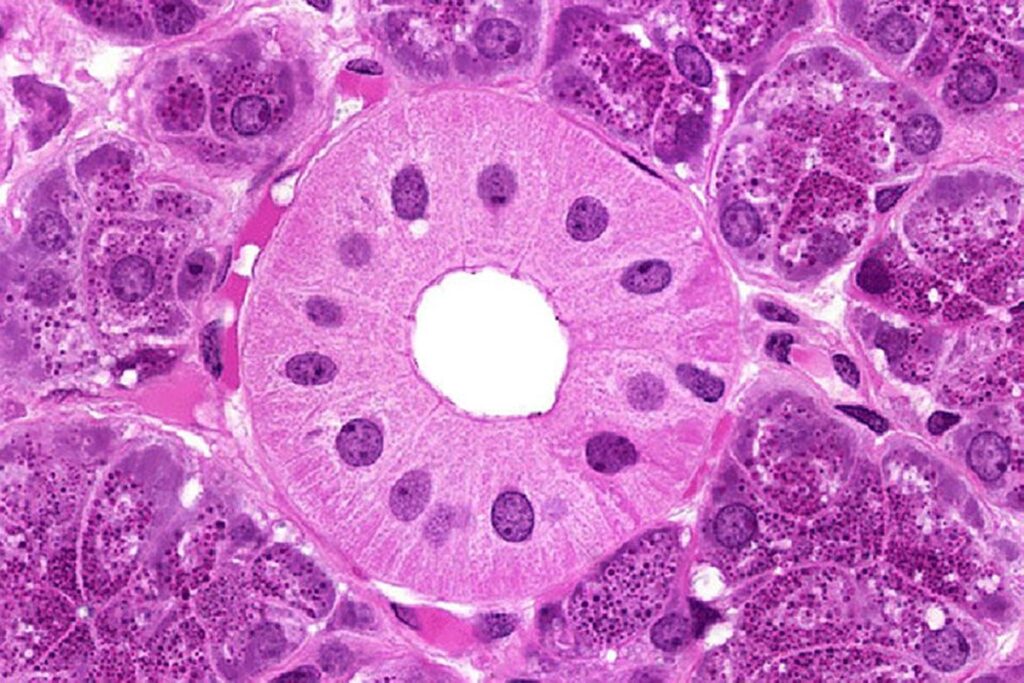
Histopathology is the microscopic examination of tissue samples to study the manifestations of disease. It involves the preparation of thin tissue sections that are stained and analyzed under a microscope by a pathologist. This process helps in diagnosing conditions like cancer, infections, and inflammatory diseases. Histopathology is critical for confirming clinical diagnoses and guiding appropriate treatment plans.
LEUKEMIA PANELS
Leukemia Panels are a set of diagnostic tests used to detect and classify different types of leukemia. These panels may include flow cytometry, cytogenetics, molecular studies, and blood smear analysis. They assist in identifying specific mutations and markers that influence prognosis and treatment. Accurate diagnosis is essential for tailoring therapy and monitoring response.
ALLERGY PANELS
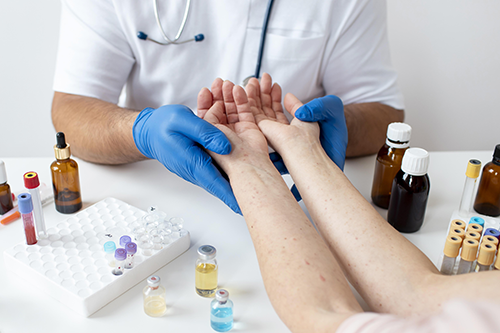
Allergy Panels are diagnostic tests that detect specific allergens causing allergic reactions in a patient. They involve blood or skin tests to measure immune response to common substances like pollen, food, or dust mites. These panels help doctors identify and manage allergies more effectively. Results are crucial for planning desensitization therapy or lifestyle changes.